AI Chatbot vs Live Chat: What Converts Better?
A missed chat at 2:13 a.m. can turn into a missed sale by breakfast. That is why the ai chatbot vs live chat question matters more than most businesses think. This is not just about customer service preference. It is about response time, lead capture, staffing costs, and how efficiently your website turns traffic into revenue.
For growing businesses, the wrong setup creates friction fast. A live chat box with no one available trains visitors to leave. An AI chatbot with weak logic can frustrate people who are ready to buy. The better choice depends on your traffic, your sales process, and how much complexity your team can realistically support.
AI chatbot vs live chat: the real difference
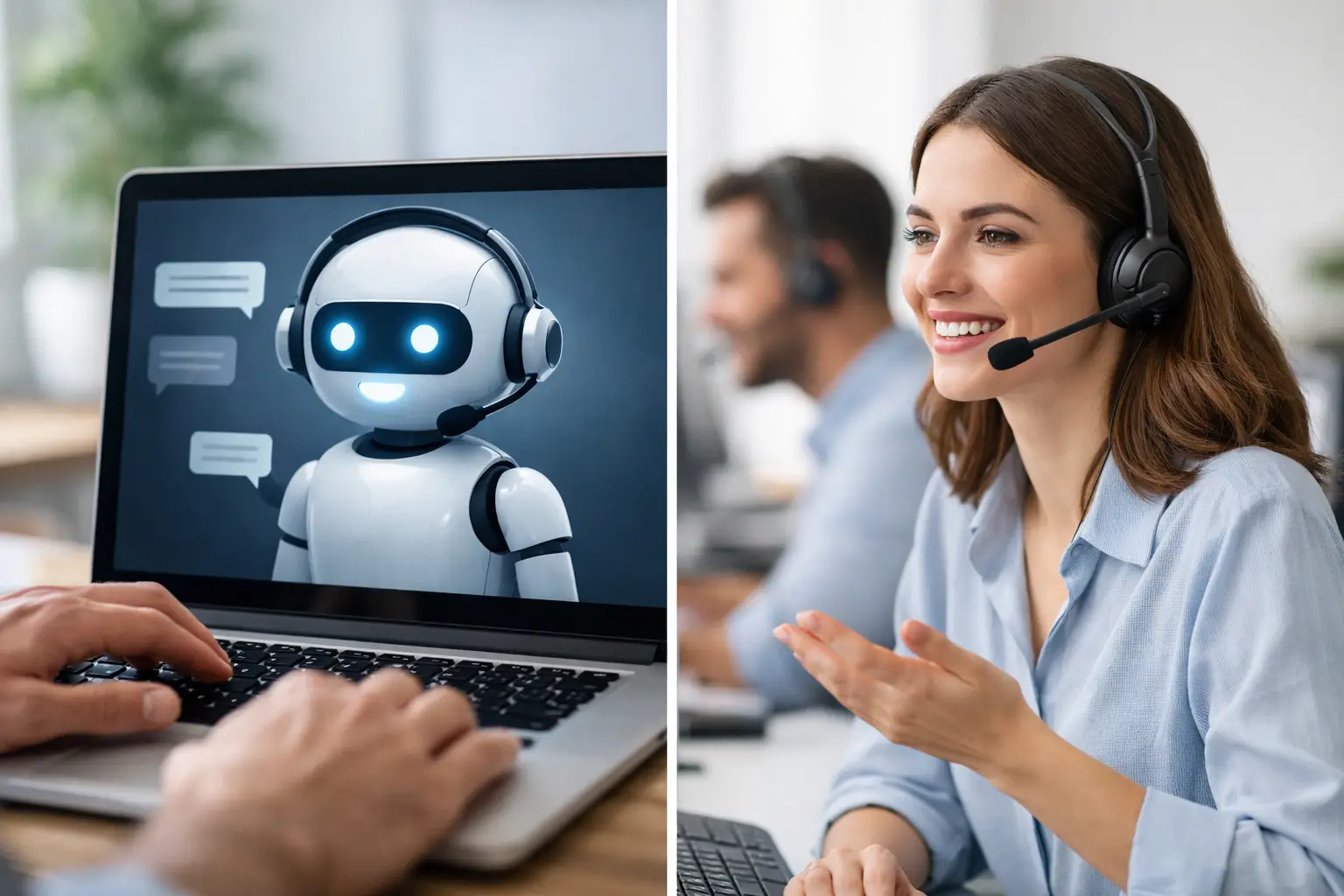
At a glance, both tools live in the same place on your website. They greet visitors, answer questions, and move conversations forward. But they operate very differently.
Live chat relies on human agents. That means every conversation benefits from judgment, empathy, and flexibility. A skilled rep can read between the lines, calm down a frustrated customer, or guide a hesitant buyer toward the right product or service.
An AI chatbot works through automation. Depending on the setup, it can answer common questions, qualify leads, schedule appointments, collect contact details, route requests, and even hand off to a human when needed. It does not need breaks, business hours, or a larger payroll to handle spikes in traffic.
The debate is not really AI versus people. It is whether your business needs speed at scale, human nuance, or a practical mix of both.
Where AI chatbots win
If your website gets recurring questions, an AI chatbot can create immediate efficiency. It can answer things like pricing ranges, service areas, return policy basics, store hours, booking availability, or next-step questions the moment a visitor asks.
That speed matters. Most users do not want to wait ten minutes for a simple answer. They want to know whether you can help, whether you serve their area, and what they should do next. AI handles that well when the questions are predictable.
There is also a cost advantage. Hiring and training live agents for full coverage is expensive, especially for small and mid-sized businesses. AI gives you 24/7 coverage without requiring a full support team. If your main goal is lead capture after hours, chatbot automation can pay for itself quickly.
AI also shines in qualification. It can ask structured questions before sending leads to your team. That means your staff spends less time sorting through low-intent inquiries and more time talking to prospects who are a better fit. For service businesses, that can improve close rates. For ecommerce stores, it can reduce cart abandonment by answering common purchase objections in real time.
Still, there is a catch. AI is only as good as its setup. If the bot is trained poorly, fed outdated information, or forced to handle conversations that need human judgment, the experience falls apart.
Where live chat still wins
There are moments when automation should not lead the conversation. Complex sales, emotional customer issues, custom project requests, and high-value transactions usually need a real person.
Live chat works best when context matters. A human can spot hesitation, explain trade-offs, and adjust tone based on the conversation. If someone is comparing service packages, dealing with a billing problem, or asking detailed product questions, a trained agent can create trust faster than a bot.
That trust can directly affect conversion. For businesses selling premium services or custom solutions, buyers often want reassurance before they commit. They may not need a long call, but they do want confirmation that someone understands their goals. Live chat gives them that confidence.
There is also a brand factor. A responsive human conversation can make your business feel more credible, especially if competitors rely only on canned automation. If your customer experience is a differentiator, live chat may be worth the added operational cost.
The downside is obvious. Live chat is only strong when someone is actually available and trained well. A delayed or inconsistent human response can be more damaging than a good chatbot.
The conversion question: which one performs better?
The honest answer is that neither tool wins in every situation.
If your website attracts a high volume of repetitive questions, AI chatbot performance can beat live chat simply because it responds instantly and never goes offline. That can lift lead capture and reduce drop-off, especially outside business hours.
If your business depends on consultative selling, live chat often converts better because it helps people make decisions with confidence. A person can answer nuanced objections in a way most bots still cannot.
For many businesses, the strongest conversion setup is hybrid. AI handles the first layer – greeting visitors, answering common questions, collecting details, and qualifying intent. Human agents step in when the conversation becomes specific, sensitive, or sales-critical.
This approach keeps response times fast without sacrificing customer trust. It also uses your team where they add the most value instead of having them repeat the same basic answers all day.
How to choose the right fit for your business
Start with your customer journey, not the software.
If most visitors ask the same five to ten questions, that points toward AI. If most conversations involve custom quotes, edge cases, or objections, live chat deserves a bigger role. Look at what happens before a sale or inquiry. Where do people get stuck? Where do they leave? Where does your team waste time?
Then consider volume. A low-traffic site with occasional high-value leads may benefit more from selective live chat coverage than full chatbot automation. A higher-traffic site with lots of top-of-funnel questions usually gets more value from AI.
Next, look at timing. If leads come in after business hours, AI can prevent missed opportunities. If nearly all serious inquiries happen during working hours, live chat may be enough.
Finally, think about maintenance. Chatbots are not set-and-forget tools. They need updates, testing, and clear escalation paths. Live chat needs staffing, training, and performance oversight. Both require ownership.
Common mistakes in the AI chatbot vs live chat decision
One of the biggest mistakes is treating the tool as the strategy. Installing chat software without aligning it to your sales process rarely improves results.
Another common issue is over-automating. Some businesses push every conversation through a bot, even when users clearly need a human. That can hurt trust and create drop-off right when intent is highest.
The opposite mistake happens too. Some companies rely fully on live chat but do not have enough coverage to respond quickly. If visitors see a chat option and get silence, that sends the wrong message.
Poor scripting is another problem. Whether it is AI or human-led, chat should move the visitor forward. It should answer the question, reduce friction, and create a clear next step. If the conversation feels vague or repetitive, it will underperform.
A smarter model: automation first, people when it counts
For most small to mid-sized businesses, the best answer is not choosing one side forever. It is designing a system that fits how people actually buy.
Use AI where speed, consistency, and availability matter. Let it welcome visitors, answer FAQs, capture leads, schedule meetings, and route inquiries. Then bring in live chat when the conversation needs persuasion, problem-solving, or empathy.
That model tends to work because it matches resources to intent. Casual visitors get quick help. Serious buyers get human attention. Your team spends less time on repetitive tasks and more time closing deals or resolving meaningful issues.
This is especially effective for businesses investing in website performance and lead generation. A strong site should not just attract traffic. It should respond well when that traffic arrives. At Unplug Studio, that is the lens we care about most: not whether a tool sounds modern, but whether it helps your website convert.
What matters most is the handoff
The real test is not whether you choose AI chatbot or live chat. It is whether the experience feels helpful from the first message to the next action.
A chatbot that knows when to step aside is valuable. A live agent who enters the conversation with context is even better. When those pieces work together, chat stops being a widget and starts acting like a revenue tool.
If you are deciding between the two, focus less on trends and more on friction. Find where your visitors hesitate, where your team gets overwhelmed, and where response time affects revenue. The right chat strategy is the one that makes those problems smaller.