
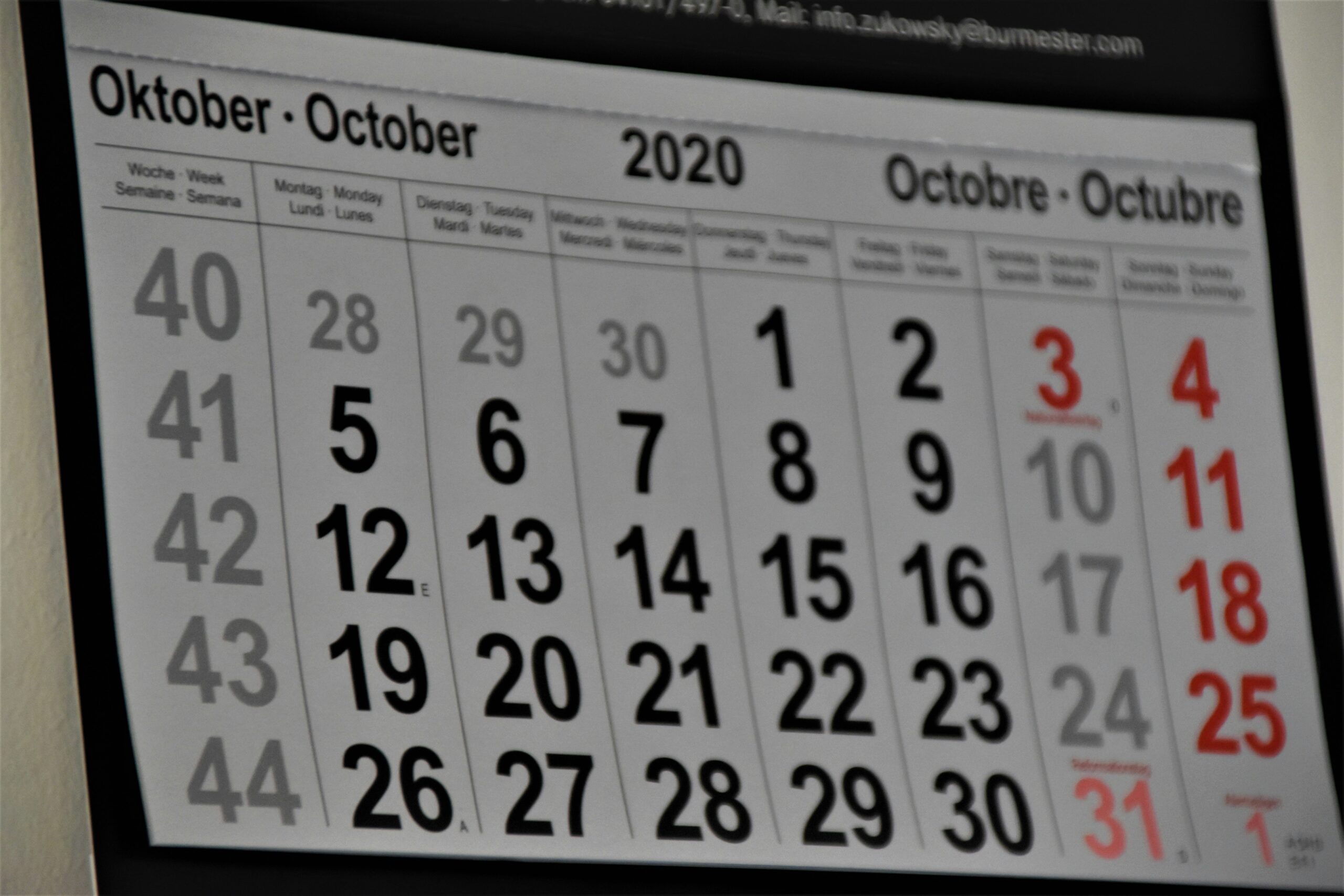
Efficient Salesforce Collaboration: Synchronizing Calendars
In the fast-paced world of business, effective collaboration is paramount, especially when it comes to managing customer relationships through platforms like Salesforce. One of the most critical aspects of this collaboration is the synchronization of calendars. When we synchronize our calendars within Salesforce, we create a seamless flow of information that allows us to stay on top of meetings, deadlines, and important events. This synchronization not only enhances our ability to manage time effectively but also fosters a culture of transparency and accountability among team members. By having access to each other’s schedules, we can coordinate our efforts more efficiently, ensuring that we are all aligned in our objectives and priorities.
Moreover, synchronized calendars help us avoid scheduling conflicts and double bookings, which can lead to frustration and lost opportunities. When we have a clear view of our colleagues’ availability, we can plan meetings and collaborative sessions more strategically. This not only saves time but also enhances our overall productivity. In a customer-centric environment like Salesforce, where timely responses and interactions are crucial, having synchronized calendars can make a significant difference in how we engage with clients and prospects. Ultimately, the importance of synchronizing calendars in Salesforce collaboration cannot be overstated; it is a foundational element that supports effective teamwork and drives business success.
For those interested in enhancing their Salesforce collaboration through effective calendar synchronization, a related article that offers valuable insights is available at The Latest Developments in Business Technology. This article explores the latest tools and strategies that can streamline communication and improve productivity within teams, making it a great complement to the topic of synchronizing calendars for smoother collaboration in Salesforce.
Best Practices for Integrating Calendars in Salesforce
To maximize the benefits of calendar synchronization in Salesforce, we must adopt best practices that ensure a smooth integration process. First and foremost, we should establish clear guidelines for how calendars will be used within the platform. This includes defining which events should be shared, how often updates will occur, and who has access to view or edit calendar entries. By setting these parameters upfront, we can avoid confusion and ensure that everyone is on the same page regarding calendar usage.
Another best practice involves leveraging Salesforce’s built-in features for calendar integration. For instance, utilizing the Salesforce Events and Tasks functionalities allows us to create and manage appointments directly within the platform. This not only keeps all relevant information centralized but also enables us to link calendar events to specific accounts or opportunities. Additionally, we should encourage team members to regularly update their availability and commitments in Salesforce. By doing so, we create a dynamic environment where everyone can see real-time changes, making it easier to coordinate schedules and plan collaborative efforts effectively.
Choosing the Right Calendar Sync Tool for Salesforce
Selecting the appropriate calendar sync tool for Salesforce is crucial for ensuring that our integration efforts are successful. With numerous options available in the market, we must carefully evaluate each tool’s features and compatibility with our existing systems. One key factor to consider is whether the tool supports two-way synchronization, allowing updates made in either Salesforce or our external calendar applications to reflect in real-time across both platforms. This functionality is essential for maintaining accurate and up-to-date information.
Additionally, we should assess the user interface and ease of use of the calendar sync tool. A user-friendly interface can significantly reduce the learning curve for our team members, enabling them to adopt the new system more quickly. Furthermore, we should look for tools that offer robust support and documentation, as this can be invaluable when troubleshooting issues or seeking guidance on best practices. By taking the time to choose the right calendar sync tool for Salesforce, we set ourselves up for success in achieving seamless collaboration and communication.
Streamlining Communication with Calendar Synchronization
Effective communication is at the heart of any successful team, and calendar synchronization plays a vital role in streamlining this process. When our calendars are synchronized within Salesforce, we can easily share important dates and events with one another, reducing the need for back-and-forth emails or messages to confirm availability. This not only saves time but also minimizes misunderstandings that can arise from miscommunication.
Moreover, synchronized calendars allow us to set reminders and notifications for upcoming meetings or deadlines. By receiving timely alerts, we can better prepare for discussions and ensure that we are fully engaged during meetings. This proactive approach to communication fosters a culture of accountability within our team, as everyone is aware of their commitments and responsibilities. Ultimately, by streamlining communication through calendar synchronization, we enhance our collaborative efforts and create a more cohesive working environment.
Effective collaboration in Salesforce can be significantly enhanced by synchronizing calendars, ensuring that all team members are on the same page regarding meetings and deadlines. For those looking to optimize their workflow further, exploring best practices in mobile optimization can also play a crucial role in improving user experience. You can read more about this in the article on mobile optimization, which provides valuable insights for better collaboration and efficiency in your projects. For more information, check out the article here: best practices for mobile optimization.
Overcoming Challenges in Calendar Synchronization for Salesforce Teams
While the benefits of calendar synchronization are clear, we must also acknowledge the challenges that can arise during implementation. One common issue is resistance to change from team members who may be accustomed to their existing methods of managing schedules. To overcome this challenge, we should prioritize training and support during the transition period. By providing resources and guidance on how to use the new system effectively, we can help alleviate concerns and encourage buy-in from all team members.
Another challenge we may face is technical difficulties related to syncing calendars across different platforms. Incompatibility issues can lead to discrepancies in event details or missed appointments. To address this, we should conduct thorough testing before fully rolling out the synchronization tool. This includes checking for any potential conflicts between Salesforce and external calendar applications. By proactively identifying and resolving these issues, we can ensure a smoother integration process and minimize disruptions to our workflow.
Effective collaboration in Salesforce can be greatly enhanced by synchronizing calendars, ensuring that all team members are on the same page regarding meetings and deadlines. For those looking to improve their overall web experience, understanding web accessibility is crucial. You can explore essential tips for making your digital content more accessible in this insightful article on web accessibility. By integrating these practices, teams can foster a more inclusive environment while streamlining their Salesforce collaboration efforts.
Enhancing Productivity and Efficiency with Synchronized Calendars
The impact of synchronized calendars on productivity and efficiency cannot be overstated. When our schedules are aligned within Salesforce, we can allocate our time more effectively, focusing on high-priority tasks without the distraction of scheduling conflicts. This streamlined approach allows us to dedicate more time to meaningful interactions with clients and prospects, ultimately driving better results for our business.
Additionally, synchronized calendars enable us to track progress on projects and initiatives more easily. By linking calendar events to specific tasks or milestones within Salesforce, we can monitor deadlines and ensure that everyone is accountable for their contributions. This level of visibility fosters a sense of ownership among team members and encourages collaboration toward shared goals. As a result, we not only enhance our productivity but also create a more engaged and motivated workforce.
Tips for Effective Calendar Management in Salesforce Collaboration
To make the most of our synchronized calendars in Salesforce collaboration, we should implement effective calendar management strategies. One key tip is to regularly review and update our calendars to reflect any changes in availability or commitments. By keeping our schedules current, we ensure that our colleagues have accurate information when planning meetings or collaborative sessions.
Another important strategy is to categorize events based on their nature or priority level. For instance, we can use color-coding or labels to differentiate between client meetings, internal discussions, or personal appointments. This visual organization helps us quickly assess our schedules at a glance and prioritize our time accordingly. Additionally, setting aside dedicated time blocks for focused work or strategic planning can further enhance our productivity by minimizing distractions during critical tasks.
Measuring the Impact of Calendar Synchronization on Salesforce Performance
Finally, it is essential for us to measure the impact of calendar synchronization on our overall performance within Salesforce. By tracking key performance indicators (KPIs) such as meeting attendance rates, project completion times, and client engagement levels, we can gain valuable insights into how well our synchronized calendars are contributing to our success.
We should also solicit feedback from team members regarding their experiences with calendar synchronization. Understanding their perspectives can help us identify areas for improvement and refine our processes over time. By continuously evaluating the effectiveness of our calendar management strategies, we can ensure that we are maximizing the benefits of synchronization while fostering a culture of collaboration within our Salesforce teams.
In conclusion, synchronizing calendars in Salesforce is not just a technical necessity; it is a strategic advantage that enhances collaboration, communication, and productivity across teams. By embracing best practices for integration, choosing the right tools, and overcoming challenges together, we can create an environment where synchronized calendars become an integral part of our workflow—ultimately driving better outcomes for our business and clients alike.