
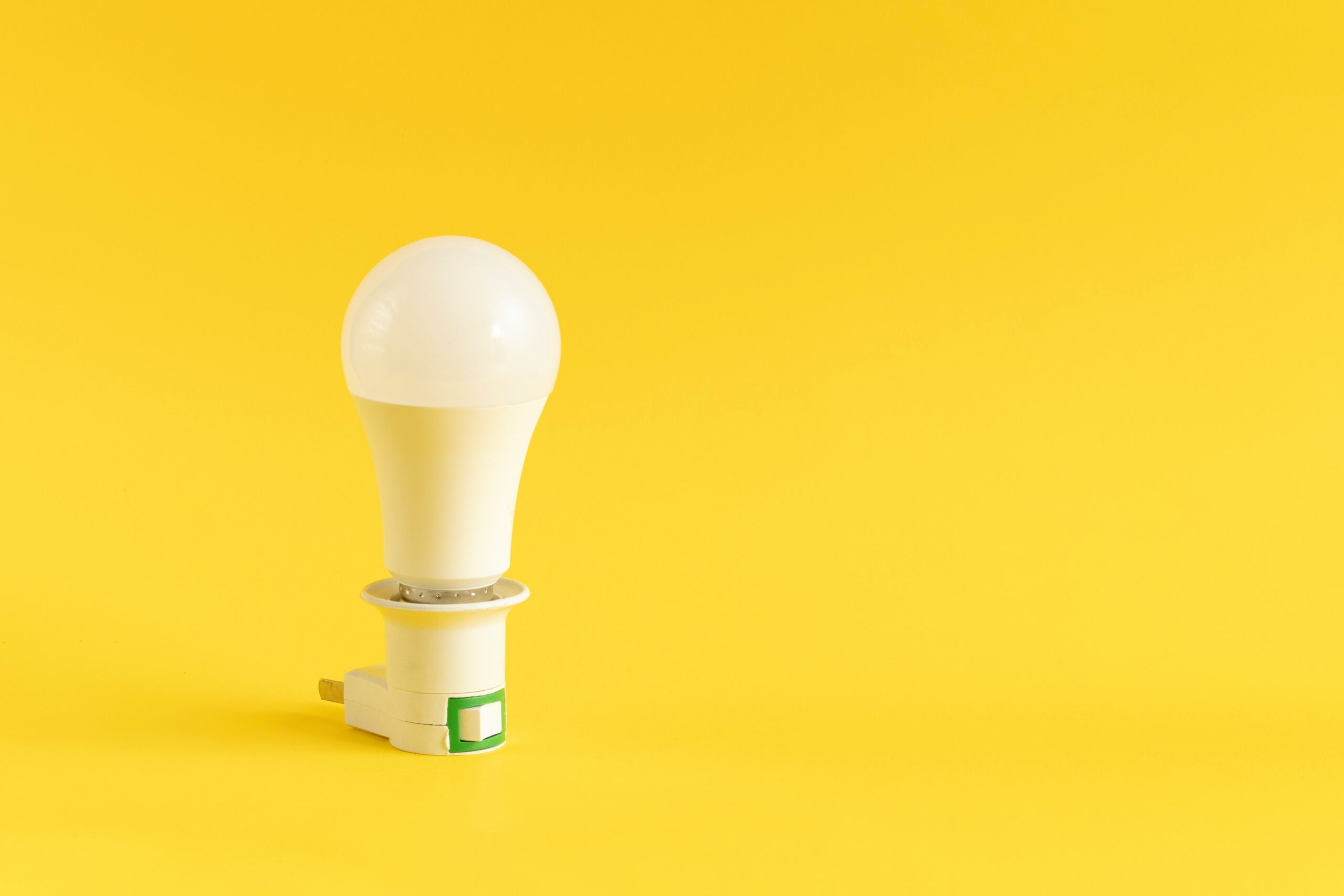
The Origin of Unplug: A Name with a Powerful Message
We often take for granted the words and phrases that have become ingrained in our everyday lexicon. They slide off our tongues effortlessly, their meanings seemingly inherent. But behind many of these seemingly simple terms lies a rich tapestry of history, intention, and sometimes, a powerful underlying message. “Unplug” is one such word. For us, its origin isn’t just a linguistic curiosity; it’s a testament to a burgeoning movement, a philosophy, and a deep-seated human need. We embarked on a journey to understand how this seemingly innocuous verb transformed into a rallying cry for a modern generation seeking respite from the digital cacophony, and what we discovered was a narrative far more compelling than we initially imagined.
When we first began exploring the etymology of “unplug,” our initial thoughts were quite literal. We envisioned engineers and electricians, their hands deftly disconnecting cables and wires. We saw the simple act of pulling a plug from an outlet, cutting off the flow of electricity, and rendering a device inert. This, of course, is the fundamental and most direct interpretation of the word.
From Electrical Disconnection to Conceptual Liberation
We traced the origins back to the late 19th and early 20th centuries, a period of rapid electrification. As electrical devices became commonplace, the need for a verb to describe the cessation of their operation became apparent. “Unplug” fit the bill perfectly. It was concise, descriptive, and universally understood. We found early usage in technical manuals and household instructions, almost always in the context of physical disconnection. Think of an early electric iron, a gramophone, or a primitive radio – “unplug before cleaning” or “unplug when not in use.” This was the baseline, the foundational meaning upon which everything else would be built.
The Rise of Figurative Language and Metaphor
However, we knew that the modern usage of “unplug” extends far beyond simply disconnecting an appliance. We understood that the word had undergone a significant semantic shift, evolving from a purely literal action into a powerful metaphor. This evolution, we believe, is where the true power of “unplug” lies. We began to see hints of this shift in the mid-20th century, as technology became more integrated into daily life. While not yet explicitly linked to digital detox, early examples of “unplugging” from abstract concepts began to surface. We saw references to “unplugging from the daily grind” or “unplugging from political rhetoric.” These nascent metaphorical uses paved the way for the profound reinterpretation that would take hold in the digital age.
In exploring the intriguing origins of the name “Unplug,” one can gain further insights by reading the related article on their privacy policy. This document not only outlines the studio’s commitment to user privacy but also reflects their philosophy of disconnecting from the digital noise to foster creativity and focus. For more information, you can visit the article here: Unplug Privacy Policy.
The Digital Deluge: A Catalyst for Change
The true inflection point for the word “unplug” arrived with the advent and proliferation of personal computers, the internet, and subsequently, smartphones. We witnessed firsthand the gradual, then rapid, entanglement of our lives with digital technologies. What began as tools for convenience and connection soon became sources of incessant demands on our attention, our time, and our mental well-being.
The Constant Connection and its Consequences
We remember the early days of dial-up internet, where connection was a deliberate act. The screeching modem, the waiting – these barriers inadvertently forced periods of disconnection. But with broadband, Wi-Fi, and eventually mobile data, the connection became seamless, omnipresent, and often, overwhelming. We found ourselves always “on,” always reachable, always bombarded with notifications, emails, and social media feeds. This constant digital hum, we observed, began to take a toll. We saw increased anxiety, decreased focus, and a general sense of being perpetually overwhelmed.
Identifying the Need for a Counter-Narrative
It was in this context of digital saturation that the term “unplug” began to gain its current, powerful resonance. We believe that the word emerged organically as a collective yearning for respite, a primal scream for silence in a world that had become too loud. People weren’t just seeking to turn off their phones; they were seeking to disconnect from the demands of their digital lives, to reclaim their time, their attention, and their mental space. The word “unplug” perfectly encapsulated this desire. It was simple, direct, and immediately understandable, drawing on its literal origins to convey a much deeper, more profound message.
“Unplug” as a Movement: From Concept to Community
What started as an individual yearning for disconnection soon blossomed into a recognizable movement. We observed the emergence of a collective consciousness around the idea of taking a break from technology, and “unplug” became its unofficial anthem.
Early Adopters and Evangelists
We recall the early pioneers of the “digital detox” movement. They were individuals who, through personal experience, recognized the detrimental effects of constant digital engagement and actively sought to limit their screen time. They shared their stories, their struggles, and their successes, inspiring others to consider similar practices. These early adopters weren’t just disconnecting; they were advocating for a new way of living. We saw articles, blog posts, and eventually, entire communities forming around the shared goal of conscious disconnection.
The Rise of Dedicated “Unplug” Initiatives
As the movement gained momentum, we witnessed the creation of dedicated “unplug” initiatives. From organized digital detox retreats to smartphone-free zones in cafes and restaurants, the concept began to solidify into tangible practices. We saw the launch of apps designed to help users limit screen time, and the proliferation of articles offering tips and strategies for effective unplugging. The word “unplug” wasn’t just a suggestion; it was becoming a call to action, a framework for intentional living.
The Nuance of Disconnection: Beyond Simply Switching Off
One of the most important aspects we uncovered in our exploration of “unplug” is its inherent nuance. We realized that “unplugging” isn’t a monolithic concept. It’s not about abandoning technology altogether or reverting to a pre-digital existence. Instead, it’s about intentionality, balance, and reclaiming agency over our digital lives.
Differentiating “Unplugging” from “Digital Abstinence”
We understood that a common misconception is to equate “unplugging” with complete digital abstinence. However, our research consistently showed that for most people, this isn’t the goal. We found that the vast majority of individuals seeking to unplug are not rejecting technology entirely; they are seeking a healthier, more mindful relationship with it. They want to leverage technology for its benefits without being enslaved by its demands. This distinction is crucial, as it allows for a more realistic and sustainable approach to digital well-being.
The Spectrum of Unplugging Practices
We observed a wide spectrum of “unplugging” practices. For some, it might be a few hours a day without checking social media. For others, it could be a complete weekend devoid of screens. We saw individuals committing to “digital sabbaths,” dedicating one day a week to being completely offline. Others focused on specific digital activities, consciously limiting their news consumption or avoiding certain addictive apps. This diversity of approaches underscores the personal nature of “unplugging” – it’s about finding what works best for each individual to restore balance and well-being.
Reconnecting with the Self and the World
Ultimately, we believe the true power of “unplugging” lies in what it enables. It’s not just about disconnecting from technology; it’s about reconnecting with ourselves, with nature, with our loved ones, and with the tangible world around us. We saw countless testimonials from individuals who, after unplugging, experienced increased creativity, improved sleep, reduced stress, and a renewed sense of presence. This “reconnection” aspect, we argue, is the ultimate message embedded within the word “unplug” – a powerful invitation to reclaim our humanity in an increasingly digital world.
If you’re curious about the inspiration behind the name “Unplug,” you might find it interesting to explore how it relates to managing both personal and business finances effectively. The concept of unplugging from the chaos of everyday life can also apply to financial management, allowing individuals to focus on what truly matters. For more insights on this topic, check out this article on managing your personal and business finances.
The Enduring Message of “Unplug”: A Timeless Need
As we look to the future, we are confident that the message embedded within the word “unplug” will continue to resonate, perhaps even more powerfully than it does today. The pace of technological innovation shows no signs of slowing, and with it, the potential for increased digital distraction and overwhelm.
A Continual Call for Conscious Engagement
We anticipate that the need to consciously “unplug” will remain a vital aspect of modern life. It won’t be a fad or a passing trend, but rather a fundamental practice for maintaining mental health, fostering genuine connection, and preserving our capacity for deep thought and creativity. We envision a future where “unplugging” is not just an option, but a widely accepted and encouraged practice, integrated into educational curricula and workplace wellness programs.
The Evolution of “Unplug” in a Tech-Saturated Future
We believe the meaning of “unplug” will continue to evolve as technology itself evolves. As new forms of digital interaction emerge, so too will the need for new strategies and understandings of how to consciously disengage. Perhaps in the future, “unplugging” might involve disconnecting from virtual reality environments, augmented reality overlays, or even brain-computer interfaces. The core message, however, will remain the same: the deliberate act of disengaging from technology to prioritize human well-being.
In conclusion, our journey into the origin of “unplug” has been far more profound than a simple linguistic exercise. We’ve traced its path from a literal electrical action to a powerful metaphor, a rallying cry, and a fundamental philosophy for navigating the complexities of the digital age. The word itself, simple yet potent, carries a timeless message – a reminder that while technology can enhance our lives, true fulfillment often lies in the conscious decision to step away, to disconnect, and to ultimately, reconnect with what truly matters. We see “unplug” not just as a word, but as a guiding principle, an invitation to a more balanced, mindful, and human way of living.