Augmented Talent: Enabling Continuous Delivery
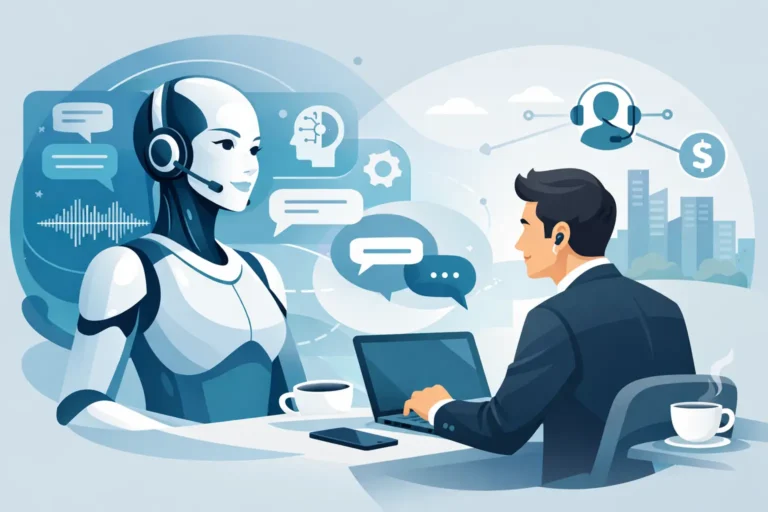
In the rapidly evolving landscape of technology and business, the term “augmented talent” has emerged as a pivotal concept. Augmented talent refers to the integration of human skills with advanced technologies, such as artificial intelligence (AI), machine learning, and automation tools. This synergy enhances our capabilities, allowing us to perform tasks more efficiently and effectively. By leveraging technology, we can augment our cognitive abilities, streamline workflows, and ultimately drive better outcomes in various domains, including software development, project management, and customer service.
As we delve deeper into the essence of augmented talent, it becomes clear that it is not merely about replacing human effort with machines. Instead, it emphasizes collaboration between humans and technology. This partnership enables us to focus on higher-level strategic thinking while routine tasks are handled by automated systems. The result is a workforce that is not only more productive but also more engaged and innovative. By embracing augmented talent, we position ourselves to navigate the complexities of modern work environments with greater agility and insight.
In exploring the concept of how augmented talent supports continuous delivery, it is essential to consider the broader implications of technology in enhancing team collaboration and efficiency. A related article that delves into the importance of accessibility in web development is available at Understanding Web Accessibility. This article highlights how ensuring that digital products are accessible to all users not only aligns with ethical practices but also contributes to a more inclusive and effective development process, ultimately supporting continuous delivery initiatives.
The Role of Augmented Talent in Continuous Delivery
Continuous delivery (CD) is a software development practice that emphasizes the frequent release of software updates to ensure that applications are always in a deployable state. In this context, augmented talent plays a crucial role in enhancing the efficiency and effectiveness of the CD pipeline. By integrating advanced technologies into our development processes, we can automate repetitive tasks, reduce errors, and accelerate the delivery of high-quality software. This transformation allows us to respond swiftly to market demands and customer feedback, ultimately leading to a more agile organization.
Moreover, augmented talent facilitates better collaboration among team members. With tools that provide real-time insights and analytics, we can make informed decisions based on data rather than intuition alone. This data-driven approach empowers us to identify bottlenecks in our processes and optimize our workflows accordingly. As we harness the power of augmented talent, we create an environment where continuous improvement is not just a goal but a fundamental aspect of our culture.
Benefits of Augmented Talent in Continuous Delivery
The benefits of incorporating augmented talent into continuous delivery practices are manifold. First and foremost, we experience significant improvements in efficiency. By automating mundane tasks such as code testing and deployment, we free up valuable time for our developers to focus on more complex and creative aspects of software development. This shift not only enhances productivity but also fosters a culture of innovation within our teams.
Additionally, augmented talent contributes to higher quality outputs. With AI-driven tools that can analyze code for potential vulnerabilities or bugs before they reach production, we can catch issues early in the development cycle. This proactive approach minimizes the risk of costly errors and ensures that our software meets the highest standards of quality. As a result, we build trust with our users and stakeholders, knowing that we are delivering reliable and robust solutions.
Challenges and Limitations of Augmented Talent in Continuous Delivery
Despite the numerous advantages that augmented talent brings to continuous delivery, we must also acknowledge the challenges and limitations associated with its implementation. One significant hurdle is the potential resistance from team members who may feel threatened by automation or fear job displacement. It is essential for us to foster an environment where employees understand that augmented talent is meant to enhance their roles rather than replace them. Open communication and training programs can help alleviate these concerns and encourage a more positive outlook on technological advancements.
Another challenge lies in the integration of new tools and technologies into existing workflows. As we adopt augmented talent solutions, we may encounter compatibility issues with legacy systems or face a steep learning curve for our teams. To overcome these obstacles, we must invest time in proper training and ensure that our technology stack is adaptable to future innovations. By addressing these challenges head-on, we can create a smoother transition toward a more augmented workforce.
In exploring the concept of how augmented talent supports continuous delivery, it’s interesting to consider the broader implications of effective resource management in various domains. A related article discusses strategies for managing personal and business finances, which can significantly impact a company’s ability to invest in augmented talent and technology. For more insights on this topic, you can read the article on managing finances. This connection highlights the importance of financial planning in fostering an environment conducive to innovation and efficiency.
Implementing Augmented Talent in Continuous Delivery
Implementing augmented talent in continuous delivery requires a strategic approach that aligns with our organizational goals. First, we need to assess our current processes and identify areas where automation can have the most significant impact. This assessment should involve input from various stakeholders, including developers, project managers, and quality assurance teams. By collaborating across departments, we can gain a comprehensive understanding of our workflows and pinpoint opportunities for improvement.
Once we have identified key areas for augmentation, we can begin selecting the right tools and technologies to support our initiatives. This selection process should involve thorough research and evaluation of available solutions to ensure they meet our specific needs. Additionally, we must prioritize user-friendly tools that facilitate seamless integration into our existing systems. As we implement these technologies, it is crucial to establish clear metrics for success so that we can measure the impact of augmented talent on our continuous delivery processes.
In exploring the ways that augmented talent can enhance continuous delivery, it is also worthwhile to consider the broader implications of technology in various sectors. A related article discusses the evolution of web development in El Salvador, highlighting how local talent is adapting to new tools and methodologies. This piece provides valuable insights into the global landscape of tech innovation and can be found here. Understanding these dynamics can further illuminate the role of augmented talent in streamlining processes and improving outcomes in software delivery.
Best Practices for Leveraging Augmented Talent in Continuous Delivery
To maximize the benefits of augmented talent in continuous delivery, we should adhere to several best practices. First and foremost, fostering a culture of continuous learning is essential. As technology evolves at a rapid pace, we must encourage our teams to stay updated on the latest trends and tools in augmented talent. Regular training sessions, workshops, and knowledge-sharing initiatives can help us cultivate an environment where innovation thrives.
Additionally, we should prioritize collaboration between human teams and automated systems. Rather than viewing automation as a standalone solution, we must integrate it into our workflows in a way that complements human expertise. For instance, while AI can assist in code reviews or testing processes, human developers should still be involved in critical decision-making processes. By striking this balance between human intuition and technological efficiency, we can achieve optimal results in our continuous delivery efforts.
Case Studies of Successful Implementation of Augmented Talent in Continuous Delivery
Examining real-world examples of organizations that have successfully implemented augmented talent in their continuous delivery practices can provide valuable insights for us. One notable case is that of a leading e-commerce platform that integrated AI-driven analytics into its development pipeline. By leveraging machine learning algorithms to analyze user behavior data, the company was able to prioritize feature development based on actual customer needs. This data-driven approach not only accelerated their release cycles but also resulted in higher customer satisfaction rates.
Another compelling case study involves a financial services firm that adopted robotic process automation (RPA) to streamline its compliance processes. By automating routine compliance checks and reporting tasks, the organization significantly reduced manual errors and improved overall efficiency. This allowed their compliance team to focus on more strategic initiatives while ensuring adherence to regulatory requirements. These examples illustrate how organizations across various industries are harnessing augmented talent to enhance their continuous delivery capabilities.
The Future of Augmented Talent in Continuous Delivery
As we look ahead, the future of augmented talent in continuous delivery appears promising yet complex. The rapid advancement of AI and machine learning technologies will continue to reshape how we approach software development and delivery processes. We can anticipate even greater levels of automation and intelligence being integrated into our workflows, enabling us to achieve unprecedented levels of efficiency and quality.
However, with these advancements come ethical considerations and challenges related to data privacy and security. As stewards of technology, it is our responsibility to ensure that we implement augmented talent solutions in a manner that respects user privacy and adheres to ethical standards. By proactively addressing these concerns, we can build trust with our customers while reaping the benefits of augmented talent in continuous delivery.
In conclusion, embracing augmented talent within continuous delivery practices offers us an opportunity to enhance our capabilities significantly. While challenges exist, the potential benefits far outweigh them when approached strategically. By fostering collaboration between humans and technology, investing in training, and adhering to best practices, we can position ourselves at the forefront of innovation in an ever-evolving digital landscape.