How to Choose a WordPress Developer
A cheap WordPress build can get expensive fast. Missed deadlines, bloated plugins, slow load times, and a site that looks fine but fails to convert are usually not design problems – they are hiring problems. If you are figuring out how to choose wordpress developer support for your business, the real question is not who can build a site. It is who can build the right site for your goals.
That distinction matters. A developer who only thinks about code may give you something functional but underpowered. A developer who understands performance, SEO, accessibility, user experience, and conversion paths can help turn your website into a business asset instead of a maintenance headache.
How to choose a WordPress developer for business growth
Start by getting clear on what you actually need. Many businesses say they need a WordPress developer when they really need one of three things: a custom site build, improvements to an existing site, or ongoing technical support. Those are different scopes, and the right hire for one is not always the right hire for another.
If you need a brochure site for credibility, your selection criteria will be different than if you need WooCommerce functionality, booking tools, lead generation funnels, or custom integrations with a CRM. A developer who is excellent at styling templates may struggle with custom functionality. A backend-focused developer may not think enough about conversion flow or mobile usability. Clarity on your goals helps you avoid paying for the wrong kind of expertise.
A useful test is this: can you explain what success looks like in one sentence? More qualified leads, better online sales, faster load times, easier content updates, or improved search visibility are all valid outcomes. Without that target, it is difficult to judge whether a developer is a fit.
Look beyond design samples
A polished portfolio is helpful, but it should not be the deciding factor. Screenshots tell you very little about how a website performs after launch. What you want to know is whether the developer can build sites that are easy to manage, technically sound, and aligned with business goals.
Ask what part of the work they handled. Some developers present beautiful projects where they only touched a small piece of the build. Others rely heavily on page builders and prepackaged themes, which can be fine in some cases but limiting in others. There is nothing wrong with using proven tools, but the developer should be able to explain why a certain approach fits your project.
You should also ask how they think about speed, accessibility, SEO foundations, and security. These are not extra features to bolt on later. They affect the value of the site from day one. A WordPress developer who treats them as afterthoughts may leave you with a site that looks complete but underperforms in the areas that matter most.
Ask better questions before you hire
Most businesses ask, how much will it cost and how long will it take? Those questions matter, but they are not enough. Better questions reveal how a developer thinks, communicates, and solves problems.
Ask how they scope projects. Strong developers usually have a process for discovery, requirements, timelines, revisions, testing, and launch. If the answer is vague, the project may become vague too.
Ask how they handle custom functionality versus plugin-based solutions. Plugins can speed things up and reduce cost, but stacking too many can create conflicts, slow performance, and future maintenance issues. Custom development can be cleaner and more flexible, but it may take longer and cost more up front. A good developer will talk through the trade-offs instead of pushing one answer for every project.
Ask what happens after launch. Will they provide training, support, updates, and troubleshooting? Some developers build and disappear. Others stay involved and help the site evolve as your business grows. Neither model is automatically wrong, but you should know which one you are buying.
Technical skill matters, but business thinking matters too
If your website exists to drive revenue, generate leads, or support operations, technical ability alone is not enough. You need someone who understands what the website is supposed to do for the business.
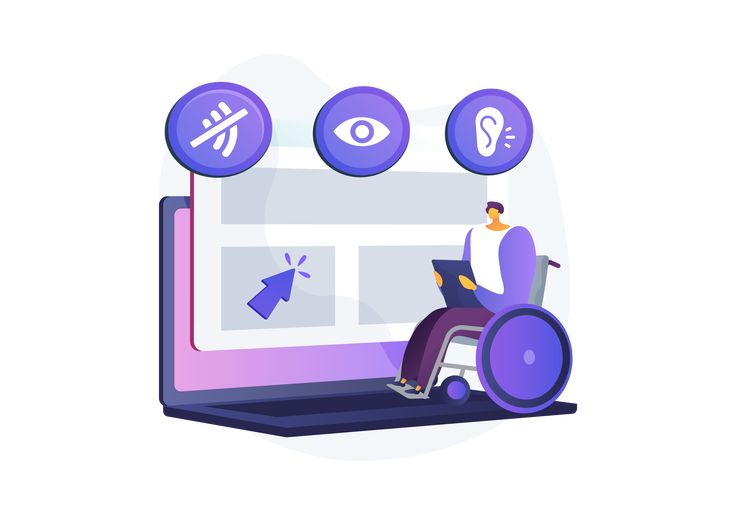
That means they should care about page speed because it affects conversions. They should care about mobile experience because that is where a large share of users will visit. They should care about clean site architecture because it supports search visibility and user flow. They should care about accessibility because excluding users is bad for both compliance and business.
This is where many hiring decisions go sideways. A business owner hires a developer based on style or price, then later has to bring in separate help for SEO, accessibility fixes, conversion optimization, or performance cleanup. The total cost ends up being much higher than hiring a strategic development partner from the start.
Red flags that should slow you down
One red flag is overpromising. If someone guarantees first-page rankings, a fully custom site in a suspiciously short timeline, or a massive feature set at a bargain-basement price, skepticism is healthy. WordPress is flexible, but good work still takes planning and execution.
Another red flag is weak communication. If it takes too long to get basic answers before the project starts, that usually does not improve after contracts are signed. You want a developer who can explain recommendations clearly, translate technical issues into business terms, and keep the project moving.
A third red flag is ownership confusion. Make sure you understand who owns the hosting setup, domain access, codebase, theme licenses, and key plugins. Businesses get stuck when critical accounts live under a freelancer’s email or when site access is not properly handed over.
You should also be cautious if the developer cannot explain their testing and quality control process. WordPress projects involve browsers, devices, forms, integrations, user roles, and plugin interactions. Without real testing, small mistakes can turn into visible business problems.
Freelance developer or agency?
It depends on the complexity of your project and how much support you need. A skilled freelancer can be a strong fit for smaller builds, targeted fixes, or businesses with clear requirements and internal marketing support. The communication can be direct, and the pricing may be more flexible.
An agency often makes more sense when the project touches multiple priorities at once – design, development, SEO, content structure, accessibility, analytics, e-commerce, and ongoing optimization. That model can reduce handoff issues and keep strategy aligned across the full website experience.
The trade-off is usually cost and process. Agencies may have more structure, more specialists, and stronger long-term support, but they are not always the fastest or cheapest option. The right choice comes down to whether you need a pair of hands or a partner that can connect web development to measurable growth.
Budget: what are you really paying for?
Price matters, but context matters more. Two WordPress quotes can look similar on the surface and be completely different underneath. One may include strategy, custom development, technical SEO foundations, accessibility considerations, testing, and post-launch support. Another may cover only the visual build.
A lower quote is not always a better deal if it creates rework later. On the other hand, the highest quote is not automatically the smartest choice either. What you are really buying is fit, process, and the likelihood of getting a site that performs well without constant patching.
When comparing proposals, pay attention to scope detail. Are deliverables defined clearly? Are revisions limited? Is content entry included? What about migration, redirects, analytics setup, form integrations, commerce setup, or maintenance? Clear scope protects both sides.
How to choose wordpress developer support you can trust
Trust usually shows up in the small details. A dependable developer asks thoughtful questions before giving big promises. They connect technical choices to business outcomes. They explain trade-offs without hiding behind jargon. They can tell you what they recommend, what they do not recommend, and why.
The best fit is rarely the person who talks the most about code. It is the one who understands that your website needs to attract the right visitors, create a strong user experience, and support growth after launch. That is a different standard than simply getting pages online.
If you are evaluating options, look for a partner who can think beyond the build itself. Teams like Unplug Studio stand out because they treat WordPress as part of a bigger growth system – performance, accessibility, search visibility, commerce, and conversion all working together.
A good WordPress developer should make your business feel more prepared, not more dependent. If every conversation leaves you clearer on priorities, costs, trade-offs, and next steps, you are probably getting close to the right choice. Hire for outcomes, not just output.