
Navigating Complex Requirements: A Salesforce Agency’s Approach
At our Salesforce agency, we’ve come to understand that the very essence of our work lies not just in deploying technology, but in unraveling the intricate tapestries of our clients’ needs. We’re not simply developers or consultants; we are navigators, charting courses through often-turbulent waters of complex requirements. This journey, from initial spark of an idea to a fully realized, impactful solution, demands a deliberate and disciplined approach – one we’ve honed over countless projects and myriad industries.
Before we can even think about solutions, we must first deeply understand the problems. This isn’t a superficial glance at a project brief; it’s an immersive dive into the operational realities, strategic objectives, and unspoken challenges that underpin every client request. We believe that true understanding is the bedrock upon which all successful Salesforce implementations are built. Without it, we risk building something technically sound yet strategically irrelevant.
Unearthing the “Why”: Beyond the What
Every requirement, seemingly straightforward as it may appear, has a “why” behind it. We consistently push beyond the surface-level “what” our clients are asking for. For example, a request for “a custom dashboard showing sales performance” isn’t just about data visualization; it’s about enabling sales managers to identify underperforming territories, empowering executives to make data-driven decisions, or even fostering a competitive environment amongst sales teams. By understanding the underlying business objective – the “why” – we can propose solutions that are not only effective but also impactful. We ask probing questions, conduct detailed interviews with various stakeholders, and challenge assumptions to ensure we’re not just addressing symptoms but tackling root causes.
Stakeholder Mapping and Engagement: Voices from All Corners
Complex requirements rarely originate from a single source. They are typically a confluence of needs and desires from various departments, management levels, and user groups. Our first step is always to meticulously map out all relevant stakeholders. Who will use this system? Who will maintain it? Who will benefit most? Who might resist change? Once identified, we develop a comprehensive engagement strategy. This isn’t just about listening; it’s about active collaboration, facilitating cross-functional discussions, and mediating conflicting viewpoints. We understand that effective communication is paramount; regularly scheduled workshops, informal check-ins, and transparent documentation ensure everyone is heard and understood. This inclusive approach helps us uncover hidden requirements and potential pain points before they become costly roadblocks.
Process Deconstruction and Optimization: Current State vs. Future State
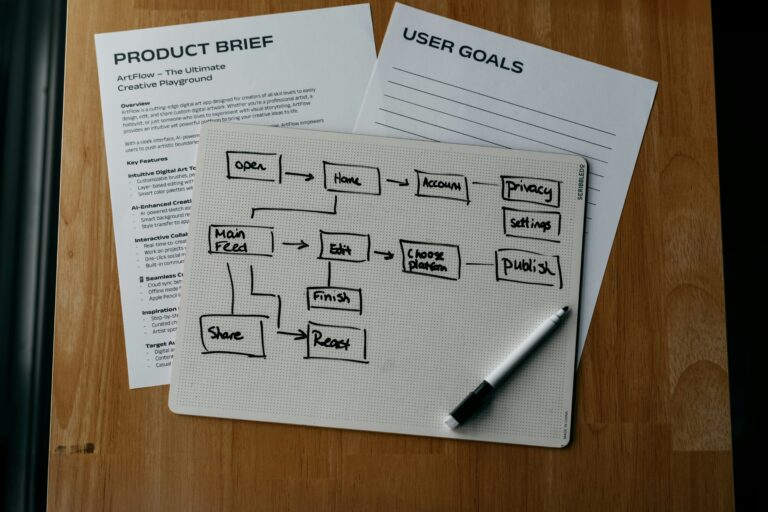
Many complex requirements stem from existing, often archaic, business processes. Before we can design a new digital process, we must first meticulously deconstruct the current one. We use techniques like process mapping, swimlane diagrams, and workflow analysis to visualize how things are done today. This allows us to identify inefficiencies, manual workarounds, and bottlenecks that Salesforce can either automate or streamline. Equally important is defining the desired future state. What should the ideal process look like? How will Salesforce empower users to operate more efficiently and effectively? This gap analysis is crucial for defining the scope and prioritizing features, ensuring that our proposed solutions genuinely transform operations rather than simply digitizing existing inefficiencies.
In exploring the intricacies of how a Salesforce agency manages complex requirements, it’s beneficial to consider the insights shared in a related article on bespoke website development. This article delves into the tailored approaches that development companies take to meet unique client needs, much like how Salesforce agencies customize their solutions. For more information, you can read the article here: Bespoke Website Development Company.
Architecting for Agility: Building Robust and Flexible Solutions
Once we have a comprehensive understanding of the requirements, our focus shifts to architecting the solution. In the fast-evolving landscape of business, rigidity is a liability. We believe in building Salesforce solutions that are not only robust and scalable but also agile and adaptable to future changes. This means making strategic choices about platform features, custom development, and third-party integrations.
Leveraging Standard Functionality First: The Salesforce Way
Our mantra is always to leverage Salesforce’s extensive standard functionality first. The platform is incredibly powerful out-of-the-box, offering a wealth of features that can address a surprising number of complex requirements without custom code. This approach has several advantages: it reduces development time and cost, leverages battle-tested features, simplifies future maintenance and upgrades, and keeps the solution aligned with Salesforce best practices. We invest heavily in our team’s continuous learning of new Salesforce releases and features, ensuring we’re always aware of the latest capabilities the platform offers. Only when standard features genuinely fall short do we consider custom development.
Strategic Customization and Extensibility: When Standard Isn’t Enough
While we prioritize standard functionality, we acknowledge that complex requirements often necessitate a degree of customization. When we do customize, we do so strategically and with a clear eye on future extensibility. We follow Salesforce’s declarative-first approach, utilizing tools like Flow, Process Builder, and custom objects and fields before resorting to Apex code. When Apex is required, our skilled developers adhere to strict coding standards, write robust test classes, and document their work meticulously. We also design solutions with extensibility in mind, using flexible data models and well-defined APIs to facilitate future integrations or enhancements without requiring a complete re-architecture. This ensures that our solutions can grow and evolve alongside our clients’ businesses.
Integration Strategy: Connecting the Ecosystem
Modern business rarely operates in silos. Complex requirements frequently involve integrating Salesforce with other existing systems – ERPs, marketing automation platforms, financial software, or niche industry-specific applications. Our architects develop a comprehensive integration strategy, identifying the most appropriate integration patterns (e.g., real-time, batch, event-driven), choosing the right tools (e.g., MuleSoft, Salesforce Connect, custom APIs), and ensuring data integrity and security across all connected systems. We prioritize robust error handling and monitoring within our integration designs to ensure seamless data flow and minimize disruptions. A well-executed integration strategy ensures that Salesforce acts as a true hub, enabling a holistic view of the customer and business operations.
Iterative Development and Continuous Feedback: Building with Precision

We firmly believe in an iterative approach to development. Rather than disappearing for months and delivering a “big bang” solution, we engage our clients in a continuous feedback loop. This agile methodology allows us to validate assumptions, adapt to evolving needs, and ensure that the final product precisely meets the complex requirements.
Agile Sprint Planning: Breaking Down the Beast
Complex requirements are, by their nature, overwhelming if tackled as a single monolithic block. We break them down into smaller, manageable user stories and themes, which are then prioritized and assigned to development sprints. Each sprint typically lasts 1-3 weeks and concludes with demonstrable functionality. This allows our clients to see tangible progress regularly and provides opportunities for early course correction. Our sprint planning sessions are collaborative, involving both our technical team and key client stakeholders to ensure alignment on priorities and deliverables.
User Story Refinement and Acceptance Criteria: Clarity in Every Detail
For each piece of functionality, we craft detailed user stories that describe the desired outcome from the perspective of an end-user. Crucially, each user story includes clear, measurable acceptance criteria. These criteria serve as a shared understanding of what “done” looks like and form the basis for testing. For example, for a user story like “As a sales rep, I want to see all open opportunities associated with an account on the account record,” acceptance criteria might include: “The Opportunities related list accurately displays all open opportunities for the current account,” and “Clicking an opportunity in the list navigates to the opportunity record.” This meticulous detail minimizes ambiguity and ensures that what we build is what the client expects.
Regular Demos and Feedback Loops: Co-Creation in Action
At the end of each sprint, we conduct a formal demo session with our client stakeholders. This isn’t just a presentation; it’s an opportunity for hands-on interaction and critical feedback. We encourage open discussion, asking probing questions and actively listening to concerns, suggestions, and newfound requirements. This continuous feedback loop is invaluable. It allows us to pivot quickly if a certain approach isn’t working as intended, refine features based on real-world user input, and ensure that the solution remains perfectly aligned with the evolving business needs. We treat these sessions as true co-creation opportunities, where the client is an integral part of the development process.
Rigorous Testing and Quality Assurance: Ensuring Reliability
Building complex Salesforce solutions demands an unwavering commitment to quality. Bugs, data inconsistencies, or performance issues can severely impact user adoption and business operations. Our quality assurance process is multifaceted and embedded throughout the entire project lifecycle, not just at the end.
Unit Testing and Code Reviews: Quality from the Ground Up
Our developers are responsible for writing comprehensive unit tests for all custom Apex code. These tests ensure that individual components of the solution function as expected and help prevent regressions when changes are made. Furthermore, all code undergoes peer review by another senior developer before it is deployed. This code review process identifies potential bugs, ensures adherence to best practices, and promotes knowledge sharing within the team. This “shift-left” approach to quality ensures that we catch issues early, when they are least costly to fix.
Functional and Integration Testing: Mimicking Reality
Beyond unit tests, we perform rigorous functional testing to ensure that each feature works according to the defined acceptance criteria. This includes positive and negative test cases, edge cases, and scenarios that mimic real-world user interactions. When integrations are involved, we conduct extensive integration testing to verify seamless data flow, error handling, and performance across all connected systems. We use dedicated testing environments that mirror the production environment as closely as possible to ensure reliability.
User Acceptance Testing (UAT): Client Validation
The ultimate validation comes from our clients. User Acceptance Testing (UAT) is a critical phase where end-users and business stakeholders thoroughly test the solution in a near-production environment. We provide clear UAT scripts and support, ensuring that users can effectively navigate and test all functionalities relevant to their roles. We proactively manage UAT, tracking reported issues, prioritizing bug fixes, and facilitating communication between the client’s testers and our development team. Successful UAT is our final checkpoint before go-live, ensuring that the solution meets their expectations and is ready for production use.
When exploring the intricacies of how a Salesforce agency manages complex requirements, it’s essential to consider the broader context of effective management strategies. For instance, understanding how to balance personal and business finances can significantly impact project outcomes and resource allocation. A related article that delves into this topic is available at this link, which offers valuable insights that can complement the operational strategies employed by Salesforce agencies.
Post-Launch Support and Continuous Improvement: A Partnership Beyond Go-Live
| Aspect | Details |
|---|---|
| Understanding | Thoroughly analyze and comprehend complex requirements |
| Planning | Create detailed project plans to address complex requirements |
| Customization | Develop custom solutions to meet specific complex needs |
| Testing | Rigorous testing of complex solutions to ensure functionality |
| Documentation | Comprehensive documentation of complex requirements and solutions |
| Communication | Regular and clear communication with stakeholders about complex requirements |
Our engagement doesn’t end when a project goes live. In fact, we view go-live as a new beginning in our partnership. Complex solutions, by their nature, require ongoing care, optimization, and evolution. We are committed to supporting our clients long after the initial deployment, ensuring sustained success and continuous value realization.
Hypercare and Incident Management: Smooth Transition
Immediately following go-live, we enter a “hypercare” period. During this critical time, our team provides intensified support, closely monitoring system performance, user adoption, and addressing any unforeseen issues or bugs that may arise. We establish clear communication channels and incident management protocols to ensure rapid response and resolution, minimizing disruption to our clients’ operations. This proactive approach helps users adapt to the new system and builds confidence in the solution.
Performance Monitoring and Optimization: Sustained Efficiency
Salesforce solutions are robust, but over time, accumulated data, new features, or changes in usage patterns can impact performance. We offer services for ongoing performance monitoring, identifying potential bottlenecks, and recommending optimizations. This might involve refining Apex code, optimizing SOQL queries, managing large data volumes, or advising on best practices for data archiving. Our goal is to ensure that the Salesforce platform continues to operate efficiently and effectively, delivering a seamless user experience.
Phased Enhancements and Strategic Roadmapping: Evolving with the Business
Business needs are rarely static. As an organization grows and evolves, so too will its requirements. We work with our clients to develop long-term Salesforce roadmaps, prioritizing future enhancements, new features, and strategic integrations. This might involve implementing additional clouds (e.g., Service Cloud, Marketing Cloud), exploring AI capabilities with Einstein, or expanding the solution to new departments or geographies. By continuously evolving the Salesforce platform, we ensure it remains a powerful engine for our clients’ ongoing success, delivering sustained ROI and adapting to tomorrow’s challenges. Our partnership extends beyond initial delivery, focusing on continuous improvement and strategic alignment with their evolving business vision.
FAQs
What is a Salesforce agency?
A Salesforce agency is a company that specializes in providing services related to Salesforce, a customer relationship management (CRM) platform. These services may include consulting, implementation, customization, and support for Salesforce products.
What are complex requirements in the context of Salesforce?
Complex requirements in the context of Salesforce refer to specific and intricate business needs that require advanced customization, integration, or development within the Salesforce platform. These requirements may involve multiple systems, extensive data management, or unique business processes.
How does a Salesforce agency handle complex requirements?
A Salesforce agency handles complex requirements by leveraging its expertise in Salesforce products and technologies. This may involve conducting in-depth analysis, designing custom solutions, developing code, integrating with other systems, and providing ongoing support to ensure the successful implementation of complex requirements.
What are the benefits of working with a Salesforce agency for complex requirements?
Working with a Salesforce agency for complex requirements offers several benefits, including access to specialized expertise, efficient and effective solution design, reduced risk of errors, and ongoing support and maintenance. Additionally, a Salesforce agency can provide valuable insights and best practices based on their experience with similar projects.
What should businesses consider when choosing a Salesforce agency for complex requirements?
When choosing a Salesforce agency for complex requirements, businesses should consider the agency’s experience, expertise, track record of successful projects, industry knowledge, and ability to understand and address their specific business needs. It’s also important to evaluate the agency’s communication, project management, and support capabilities.